
Check Engine Light On? Here’s What It Means in Eugene, OR
That amber glow on your dashboard can mean dozens of things — from a loose gas cap to a failing catalytic converter. Here's how to tell what you're dealing with, what's urgent, and what to do next.
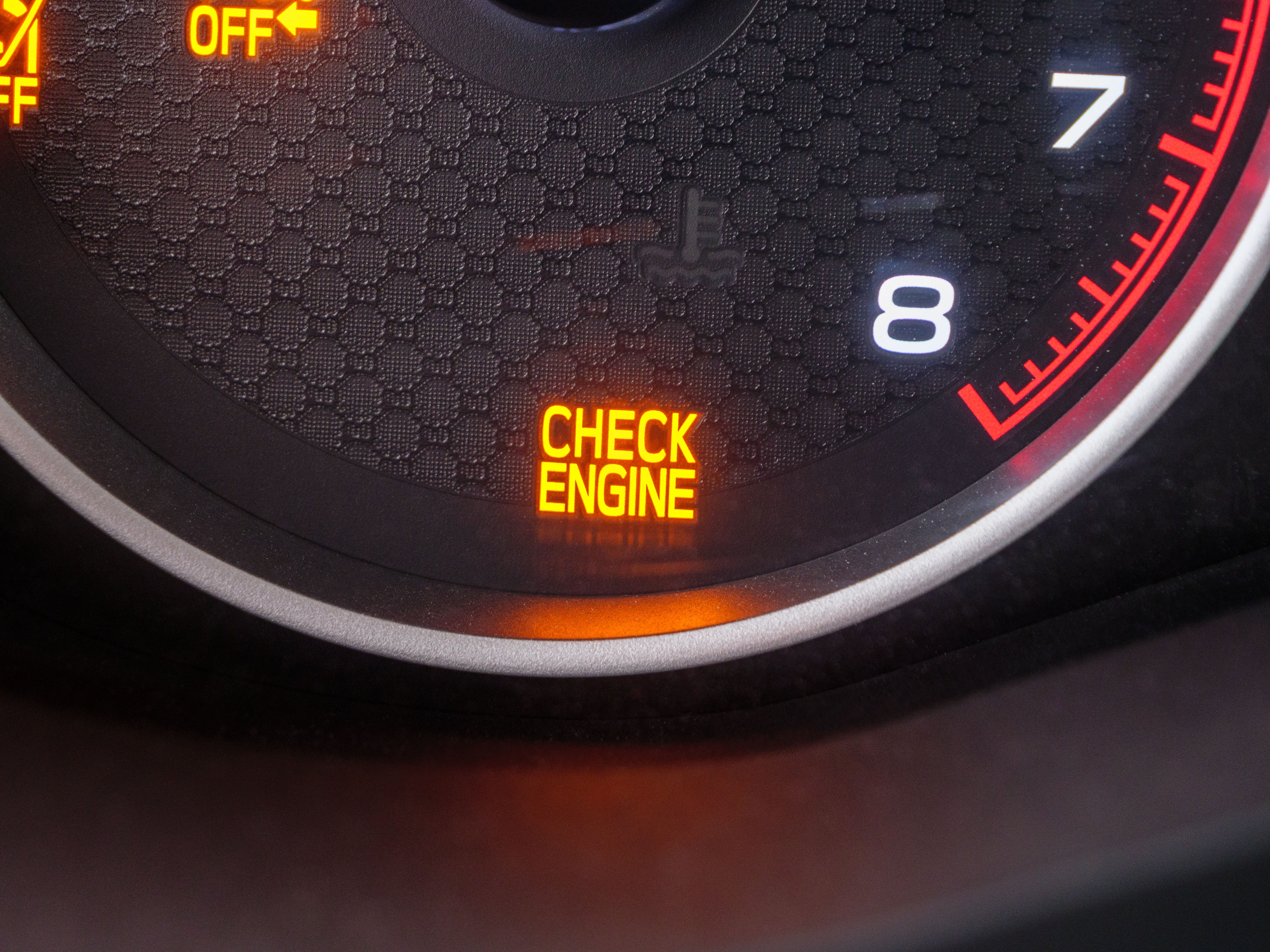
The check engine light is the most searched car problem in America — and one of the most misunderstood. It doesn't tell you what's wrong, only that your car's computer detected something outside normal range. That something could be trivial or serious. This guide helps Eugene drivers know the difference.
What the Check Engine Light Actually Is
Modern vehicles run a continuous self-test through an OBD-II (On-Board Diagnostics) system — a network of sensors monitoring your engine, transmission, emissions system, and fuel delivery. When any sensor reads outside its programmed range, the computer stores a Diagnostic Trouble Code (DTC) and illuminates the amber light.
The light itself doesn't contain any information — it's simply an alert that one or more codes have been stored. Reading those codes requires connecting a scan tool to your vehicle's OBD-II port, which Prairie Road Automotive does as part of every check engine inspection.
Eugene-specific note: Oregon's wet climate accelerates wear on oxygen sensors, EVAP system components, and electrical connectors — making check engine light triggers more common here than in drier climates. And as a certified Oregon emissions repair shop, we're especially familiar with the faults that affect your DEQ test results.
Steady Light vs. Flashing Light: The Critical Difference
Before anything else, identify which type of light you have. The two behave very differently.
Schedule Soon — Not an Emergency
Your car has stored a fault code, but it isn't in immediate danger. Book a diagnostic appointment within a day or two. Driving short distances is generally safe, but don't ignore it — a steady light can become a flashing one.
Act Now — Reduce Speed Immediately
A flashing light almost always means an active engine misfire severe enough to damage your catalytic converter. Avoid hard acceleration, reduce speed, and get to a shop as soon as possible. Every mile of hard driving risks a much larger repair bill.
UrgentThe 8 Most Common Causes in Eugene-Area Vehicles
Loose or Faulty Gas Cap
The fuel system is sealed — a loose, cracked, or missing gas cap triggers an evaporative emission (EVAP) fault. This is the most anticlimactic check engine light cause. After filling up, tighten the cap until you hear it click. The light may clear on its own within a day or two of normal driving.
Low UrgencyOxygen Sensor Failure
O2 sensors measure exhaust oxygen content to calibrate fuel delivery. A failing sensor can reduce fuel economy by up to 40% and cause emissions failures. Oregon DEQ compliance note: a failed oxygen sensor will trigger codes that fail the OBD-II emissions test — this is one of the most common reasons Eugene vehicles fail DEQ.
Moderate UrgencyCatalytic Converter Failure
The catalytic converter reduces toxic exhaust emissions. It's often damaged downstream of unresolved issues — persistent misfires or failed O2 sensors accelerate its degradation. Replacement is one of the more expensive repairs, which is exactly why early intervention on other codes matters.
High UrgencyMass Airflow (MAF) Sensor
The MAF sensor measures incoming air volume to calculate correct fuel injection. Eugene's dusty summer conditions (Willamette Valley harvest season) and wet winter air can accelerate sensor contamination. Symptoms include rough idle, sluggish acceleration, and decreased fuel economy.
Moderate UrgencySpark Plugs or Ignition Coils
Worn plugs or failing coils cause misfires — incomplete combustion in one or more cylinders. This is a primary cause of a flashing check engine light. Misfires reduce power, damage the catalytic converter, and worsen fuel economy significantly.
Urgent if FlashingEVAP System Leak
The Evaporative Emission Control system prevents fuel vapors from escaping into the atmosphere. Any leak — including a loose gas cap, cracked hose, or failed purge valve — triggers EVAP codes. This is specifically relevant to Oregon DEQ testing: EVAP faults cause automatic emissions test failures.
Moderate UrgencyThermostat or Coolant Issues
A stuck thermostat triggers coolant temperature sensor faults. Eugene's cool, wet winters make proper engine temperature regulation especially important — vehicles running too cold waste fuel; vehicles running too hot risk overheating damage.
Moderate UrgencyTransmission Fault Codes
On many modern vehicles, the transmission and engine control modules share fault reporting. Transmission-related CEL triggers often appear alongside symptoms like harsh shifting, delayed engagement, or slipping. The check engine light may be your first warning of a developing transmission issue.
High UrgencyCan You Keep Driving? A Practical Guide
Steady light, no symptoms
No rough running, no strange noises, no change in performance. Book an appointment within a day or two and monitor for changes.
Steady light with symptoms
Rough idle, reduced power, unusual smells, or warning lights joining the CEL. Call ahead with symptoms — don't delay.
Flashing check engine light
Reduce speed immediately, avoid hard acceleration. Active misfire is occurring. Get to Prairie Road Automotive as soon as safely possible.
CEL + temperature or oil light
Any combination of check engine with a red temperature or oil pressure warning light means stop driving immediately. Call for assistance.
What Happens at Prairie Road Automotive
We go beyond simply reading the stored trouble code. Codes identify which system reported a fault — not the root cause of why it failed. Our diagnostic process:
Scan Tool Connection — All Stored & Pending Codes Retrieved
We pull every active and pending DTC from your vehicle's OBD-II system, not just the most recent one.
Live Data Review
We examine real-time sensor readings — fuel trim, O2 voltages, coolant temperature, MAF readings — which often reveals the root cause more clearly than codes alone.
Visual Component Inspection
Relevant components are physically checked for damage, wear, disconnected connectors, and obvious failure points.
Root Cause Identification
We identify the actual failure — not just the triggered code. A P0420 catalyst code, for example, might actually be caused by a faulty upstream O2 sensor, not a bad catalytic converter.
Written Estimate Before Any Work Begins
You authorize every repair in advance. No surprises, no assumptions — we explain all options and you choose. Free estimates on all services.
Oregon DEQ connection: Any active check engine light causes an automatic failure of Oregon's OBD-II emissions test. If your registration renewal is coming up and you have a CEL, bring your vehicle to us first. As a certified emissions repair facility, we can diagnose, repair, and confirm your vehicle is ready to pass — saving you the wasted trip of failing at the DEQ station.
Get Your Check Engine Light Diagnosed — Free Estimate
Don't let a glowing amber light become a larger, more expensive problem. Our ASE-certified technicians will identify exactly what your vehicle needs — and what it doesn't.
For more on vehicle warning lights and OBD-II diagnostics, see the NHTSA Vehicle Safety resource center. For Oregon DEQ emissions test requirements, visit Oregon DEQ Vehicle Inspection.


